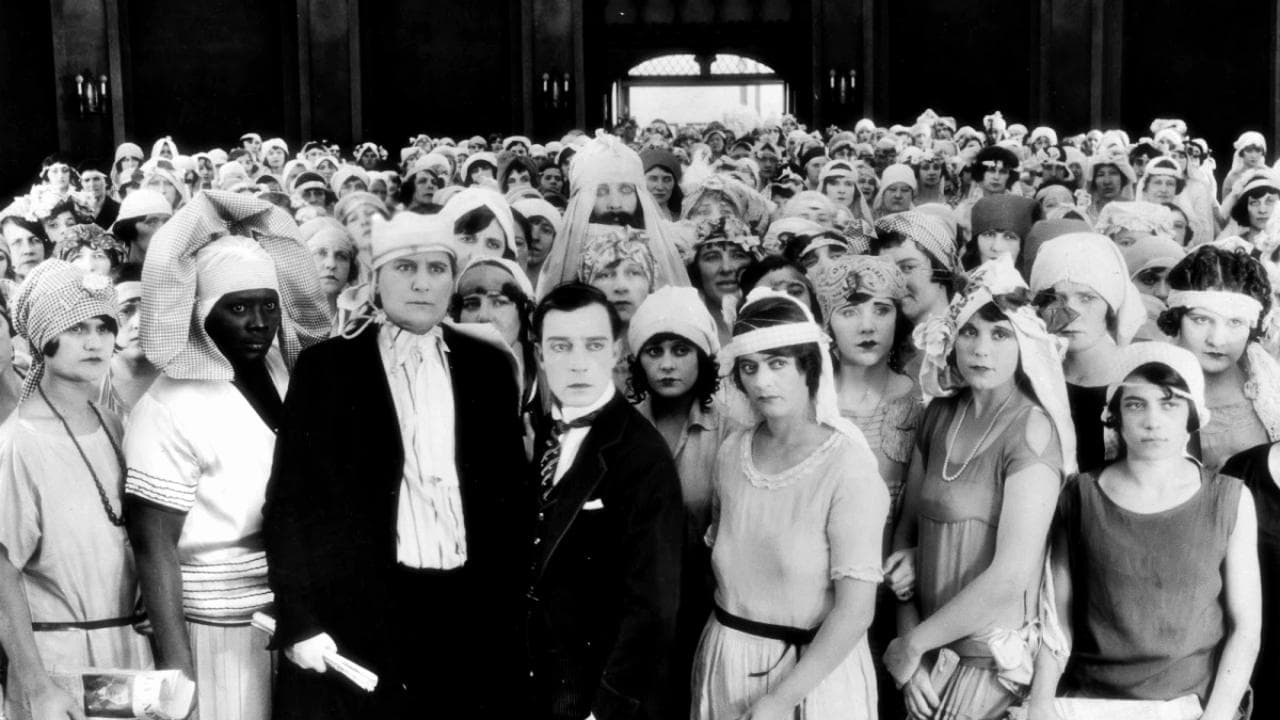
The silent era spans roughly three decades — from the Lumière brothers' first public screening in 1895 to the arrival of synchronized sound in the late 1920s — and contains some of the most inventive, visually stunning, and emotionally powerful filmmaking ever produced. These twenty films offer an introduction to the period's essential works and movements: the trick films that first revealed cinema's capacity for magic, the rise of narrative storytelling, the explosive creativity of German Expressionism and Soviet montage, the golden age of screen comedy, and the artistic peaks that still define what the medium can achieve. If you're new to silent film, start anywhere — every one of these will change your understanding of what early cinema was.
20 films


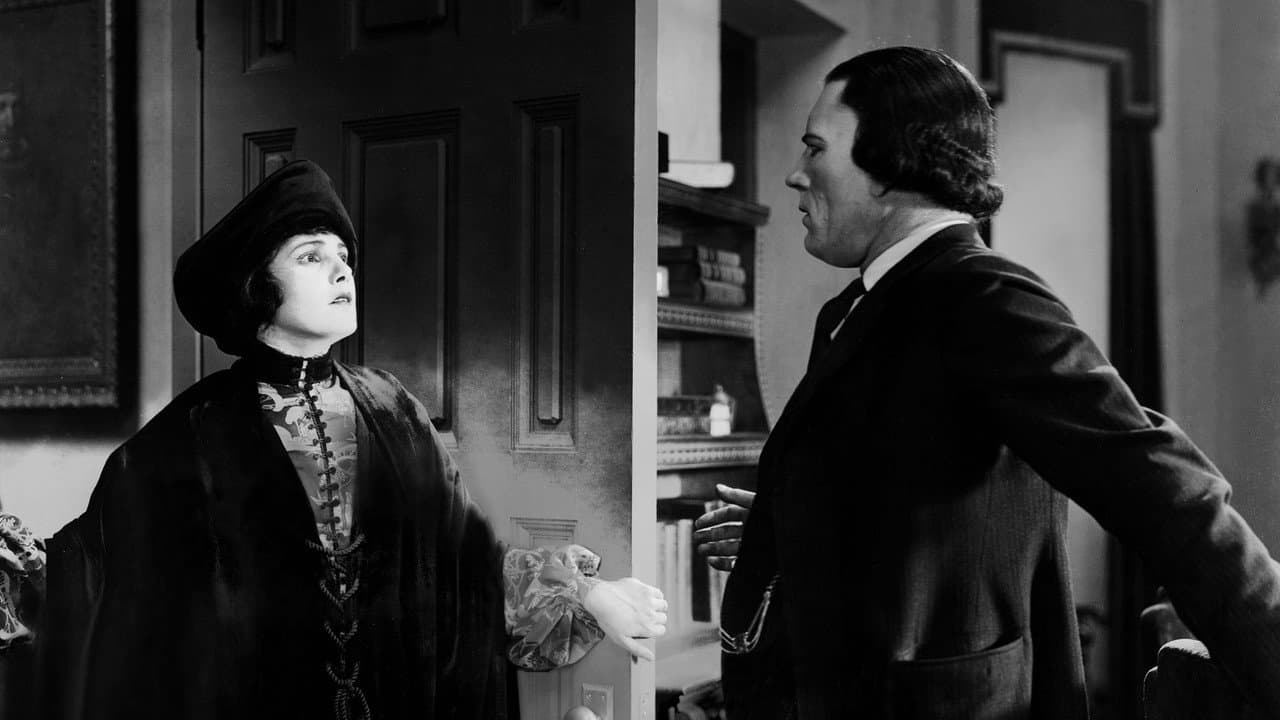
Lon Chaney could make you believe he was anyone. A legless crime lord. A vengeful paralytic. A tormented circus clown. A disfigured phantom haunting the Paris Opera. He designed his own makeup, often enduring considerable physical pain to achieve his transformations, and he brought to every role a depth of feeling that elevated genre material into something genuinely moving. Between 1919 and 1930, he was the biggest star in horror cinema and one of the biggest stars in Hollywood, period. He died of throat cancer at forty-seven, just as the sound era was beginning, and the loss is still felt. What made Chaney extraordinary was not the makeup alone but what he did underneath it. His characters are almost always outcasts: men deformed by accident or birth, criminals shaped by cruelty, performers hiding behind disguises. In lesser hands these roles would be freak-show spectacle. Chaney found the humanity in them. His Quasimodo is heartbreaking. His Phantom is tragic. Even his most monstrous creations carry a loneliness that makes the audience complicit in their suffering. He understood that the most effective horror comes not from revulsion but from recognition. This collection traces Chaney's career from his first collaboration with Tod Browning through the iconic roles that made him a legend. Five of the thirteen films were directed by Browning, whose fascination with the grotesque and the marginal made him Chaney's ideal creative partner. The others showcase the range of directors who recognized what Chaney could bring to their work, from Victor Sjöström's European gravity to the grand spectacle of Universal's horror productions. Together, they constitute the most remarkable body of screen performance in the silent era.
13 films

Oscar Micheaux was the most prolific Black filmmaker in American history, and one of the most remarkable self-inventors the film industry has ever produced. The son of former slaves, he worked as a Pullman porter, homesteaded 500 acres in South Dakota, and published a series of semi-autobiographical novels before turning to filmmaking in 1919 because Hollywood wouldn’t make his stories, so he made them himself. Over the next three decades he wrote, produced, directed, and personally distributed more than forty films to the segregated theaters of the “race circuit,” becoming the only Black filmmaker to survive the transition from silents to sound. His films were made under conditions of radical constraint - underfunded, shot fast, technically rough and they addressed subjects Hollywood refused to touch: lynching, racial passing, intermarriage, the violence of white supremacy, and the full complexity of Black American life at a time when the dominant cinema offered only caricature and contempt. Two-thirds of his work is lost. What survives is essential.
9 films


Mabel Normand was the first great female comedy star in American cinema, and one of the most talented people to work in the early film industry. She was a performer, writer, director, and producer at Mack Sennett's Keystone Studios, where she helped invent the slapstick comedy form and mentored a young Charlie Chaplin during his first months on screen. She threw the first pie in a motion picture. She directed some of Chaplin's earliest films. She was, by virtually every contemporary account, the funniest woman in America. Her partnership with Roscoe “Fatty” Arbuckle produced some of the best short comedies of the 1910s, built on genuine chemistry and physical fearlessness. Her feature-length vehicle Mickey, delayed for two years by studio politics, became one of the biggest hits of 1918 and proved she could carry a picture on her own. She was athletic, inventive, and willing to take any fall, and she combined physical comedy skill with a warmth and naturalism that set her apart from the broader mugging typical of the period. Normand's career was derailed not by lack of talent but by scandal and illness. She was tangentially connected to the unsolved murder of director William Desmond Taylor in 1922, and the resulting tabloid coverage destroyed her reputation despite her having nothing to do with the crime. Tuberculosis further limited her work, and she died in 1930 at thirty-seven. The films collected here capture what was lost: a comic talent of the first order, working at the dawn of an art form she helped define.
10 films


From: Early Hitchcock
1929 · Directed by Alfred Hitchcock
Hitchcock's first sound film — and a watershed moment in British cinema. A young woman stabs a man who tries to assault her, and her boyfriend, a Scotland Yard detective investigating the case, gradually realizes she's the killer. The film exists in both silent and sound versions (shot simultaneously), and both are remarkable, but the sound version contains innovations that changed cinema: a famous breakfast scene where the word "knife" seems to stab through the heroine's guilt-wracked consciousness, a chase through the British Museum that climaxes on the dome of the Reading Room, and an atmosphere of moral ambiguity that would define Hitchcock's entire career. Anny Ondra is superb as the traumatized heroine, and the film's refusal to resolve the moral dilemma cleanly — she killed a man, but he was assaulting her — feels startlingly modern.