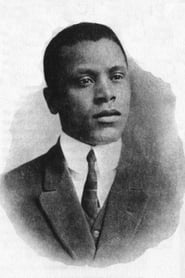
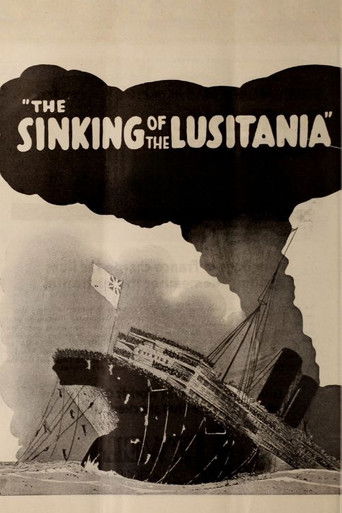
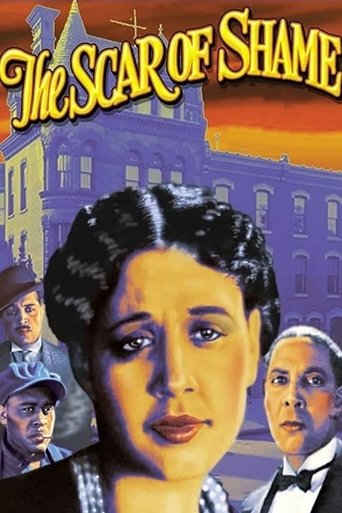
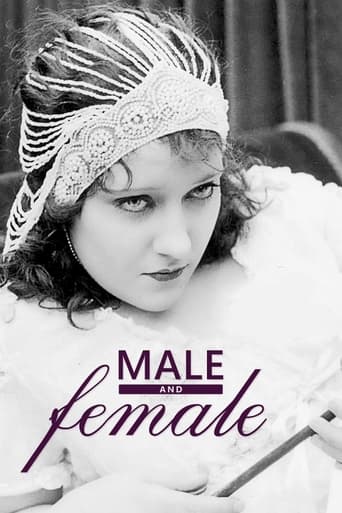
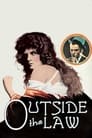
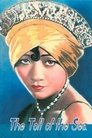
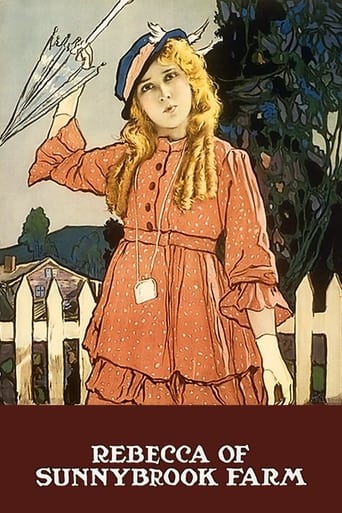
1917 · Marshall Neilan

The silent era spans roughly three decades — from the Lumière brothers' first public screening in 1895 to the arrival of synchronized sound in the late 1920s — and contains some of the most inventive, visually stunning, and emotionally powerful filmmaking ever produced. These twenty films offer an introduction to the period's essential works and movements: the trick films that first revealed cinema's capacity for magic, the rise of narrative storytelling, the explosive creativity of German Expressionism and Soviet montage, the golden age of screen comedy, and the artistic peaks that still define what the medium can achieve. If you're new to silent film, start anywhere — every one of these will change your understanding of what early cinema was.
20 films


Japanese cinema developed along a path unlike any other national tradition. While the rest of the world embraced intertitles, Japan retained the benshi, live narrators who stood beside the screen and performed all the characters' voices, provided commentary, and shaped the audience's emotional response to the images. This practice, rooted in centuries of theatrical storytelling, meant that Japanese filmmakers thought about the relationship between image and voice differently from their Western counterparts, and it helps explain why the transition to sound happened later in Japan than almost anywhere else. The films in this collection span from 1921, when Minoru Murata made what is often cited as the first significant Japanese art film, to 1936, when Kenji Mizoguchi produced the work that announced him as one of cinema's great artists. Between those dates, Japanese filmmakers created a body of work that encompassed radical avant-garde experimentation, swashbuckling period adventure, and a tradition of quiet domestic observation that has no real equivalent in Western cinema. Yasujirō Ozu was already developing the understated family dramas that would eventually make him one of the most revered directors in film history. Teinosuke Kinugasa was pushing formal boundaries as aggressively as anything happening in Europe. And Sadao Yamanaka, killed in the war at twenty-eight, was reinventing the samurai genre with a humanist wit that anticipated decades of later filmmaking. What strikes a modern viewer about these films is how little they conform to Western assumptions about what early cinema looks like. The pacing, the compositions, the emotional register all reflect a distinct cultural sensibility. These are not imitations of European or American models; they are the products of a cinematic tradition that was, from the beginning, fully its own.
12 films


Between the world wars, France became the laboratory where cinema discovered it could be an art form on par with painting, poetry, and music. The filmmakers in this collection rejected the conventions of commercial storytelling in favor of something more ambitious: a cinema of rhythm, light, and subjective experience. They called themselves Impressionists, Dadaists, Surrealists, and sometimes refused labels altogether, but they shared a conviction that the camera could reveal truths invisible to the naked eye. The movement drew from an extraordinary range of sources. Georges Méliès had already demonstrated cinema's capacity for fantasy and illusion at the turn of the century. Louis Feuillade's hallucinatory crime serials inspired the Surrealists decades before Surrealism had a name. Abel Gance pushed montage toward a kind of visual symphony. The Impressionists, led by Germaine Dulac, Jean Epstein, and Marcel L'Herbier, pursued what they called "photogénie," the idea that cinema could capture an inner essence of objects and faces that ordinary perception missed. And when the Dadaists and Surrealists arrived, they turned the screen into a space for automatic writing, dream logic, and provocations designed to short-circuit rational thought. What makes these films so exhilarating today is their sheer inventiveness. Every formal device we associate with cinematic experimentation, from superimposition and rhythmic editing to distorted lenses and the abolition of narrative, was pioneered in this period. These filmmakers were not just ahead of their time. In many ways, the rest of cinema is still catching up.
18 films

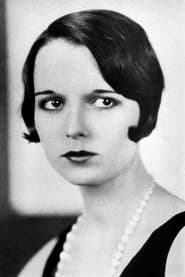
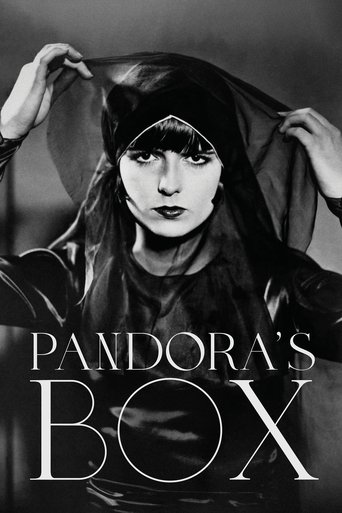
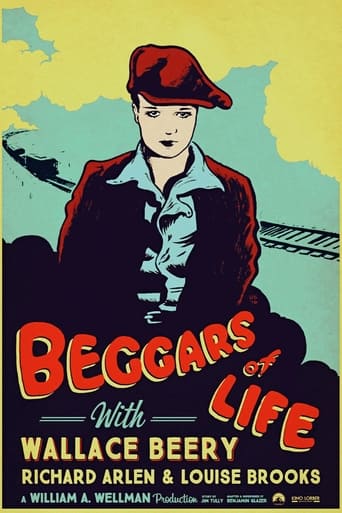
Louise Brooks made fewer than two dozen films and retired from Hollywood before she turned thirty, yet she remains one of the most magnetic screen presences in the history of cinema. Born in Cherryvale, Kansas in 1906, she was a Denishawn dancer turned Ziegfeld girl turned movie star, and she brought to her performances an intelligence and erotic candor that the American studio system had no idea what to do with. She was too modern for 1920s Hollywood, which preferred its ingenues pliant and unthreatening, and she knew it. Her two masterpieces were made not in Hollywood but in Berlin, for the Austrian-American director G.W. Pabst, who recognized what American producers could not: that Brooks was not merely beautiful but genuinely dangerous on screen. As Lulu in Pandora's Box and Thymian in Diary of a Lost Girl, she created characters of such unguarded sensuality and emotional directness that the films still feel radical nearly a century later. She did not act in the conventional sense. She simply existed on screen with a transparency that made everything around her look artificial. Brooks walked away from Hollywood on her own terms, refused to play the comeback game, and spent decades in obscurity before being rediscovered by film historians in the 1950s. Her memoir, Lulu in Hollywood, revealed a writer of startling precision and wit. The films collected here trace her trajectory from studio comedies to the Pabst collaborations that sealed her legend, and they document a talent that burned too brightly for the industry that produced it.
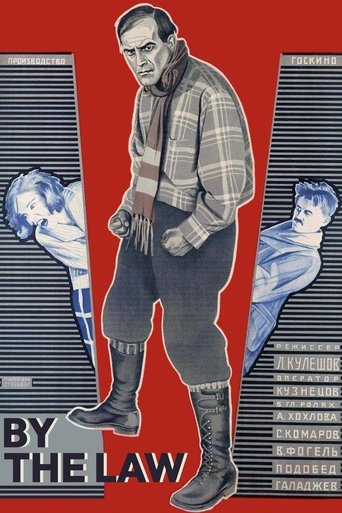
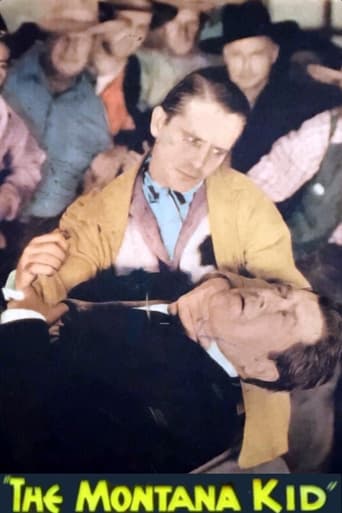
8 films


From: American Spectacle
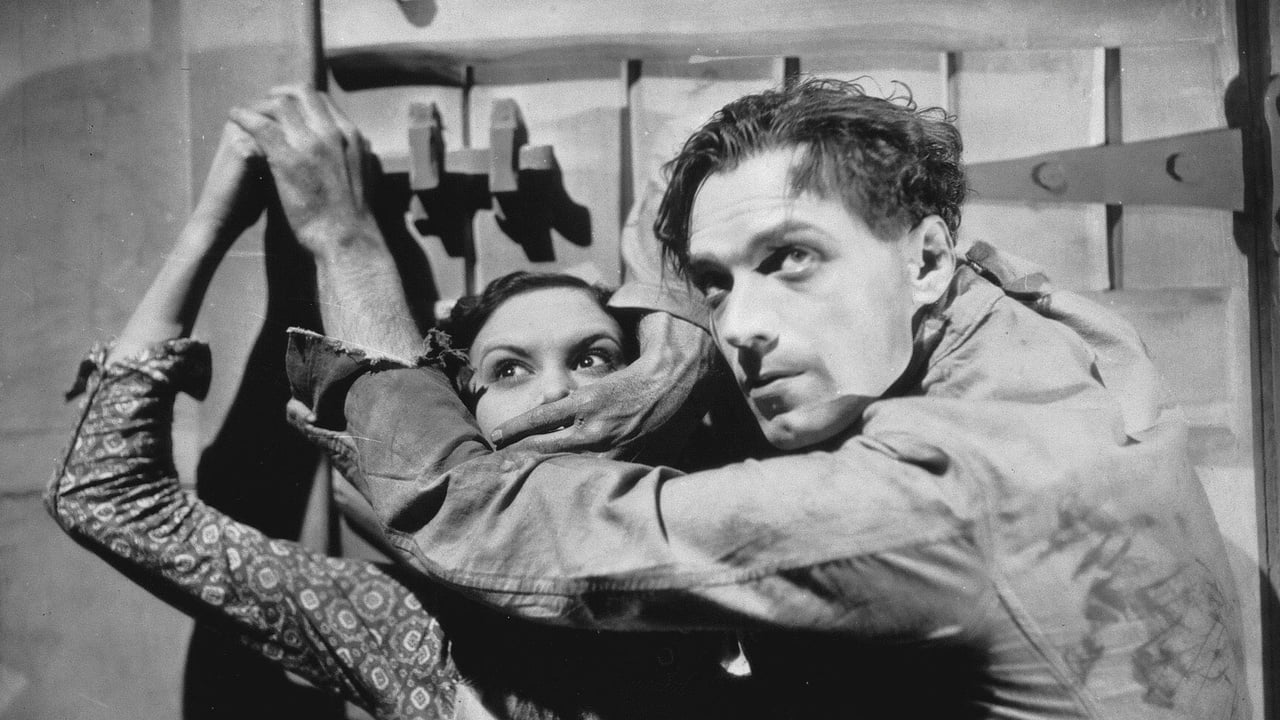
1925 · Directed by John Ford
John Ford's first epic — and the film that established him as a major director. Based loosely on the building of the transcontinental railroad, The Iron Horse follows a young surveyor who carries his murdered father's dream of connecting East and West by rail, battling corrupt land barons, hostile terrain, and his own romantic entanglements along the way. Ford shot on location in the Nevada desert with two real vintage locomotives, thousands of extras, and vast panoramic compositions that mark the birth of his signature visual style. The film is unmistakably a work of national myth-making — the railroad as America's manifest destiny made iron and steam — and while its politics reflect the attitudes of its era, Ford's eye for landscape, human detail, and the poetry of wide open spaces is already fully formed. The seed from which Stagecoach and The Searchers would grow.